 AI concept art
Alpine / Wasatch
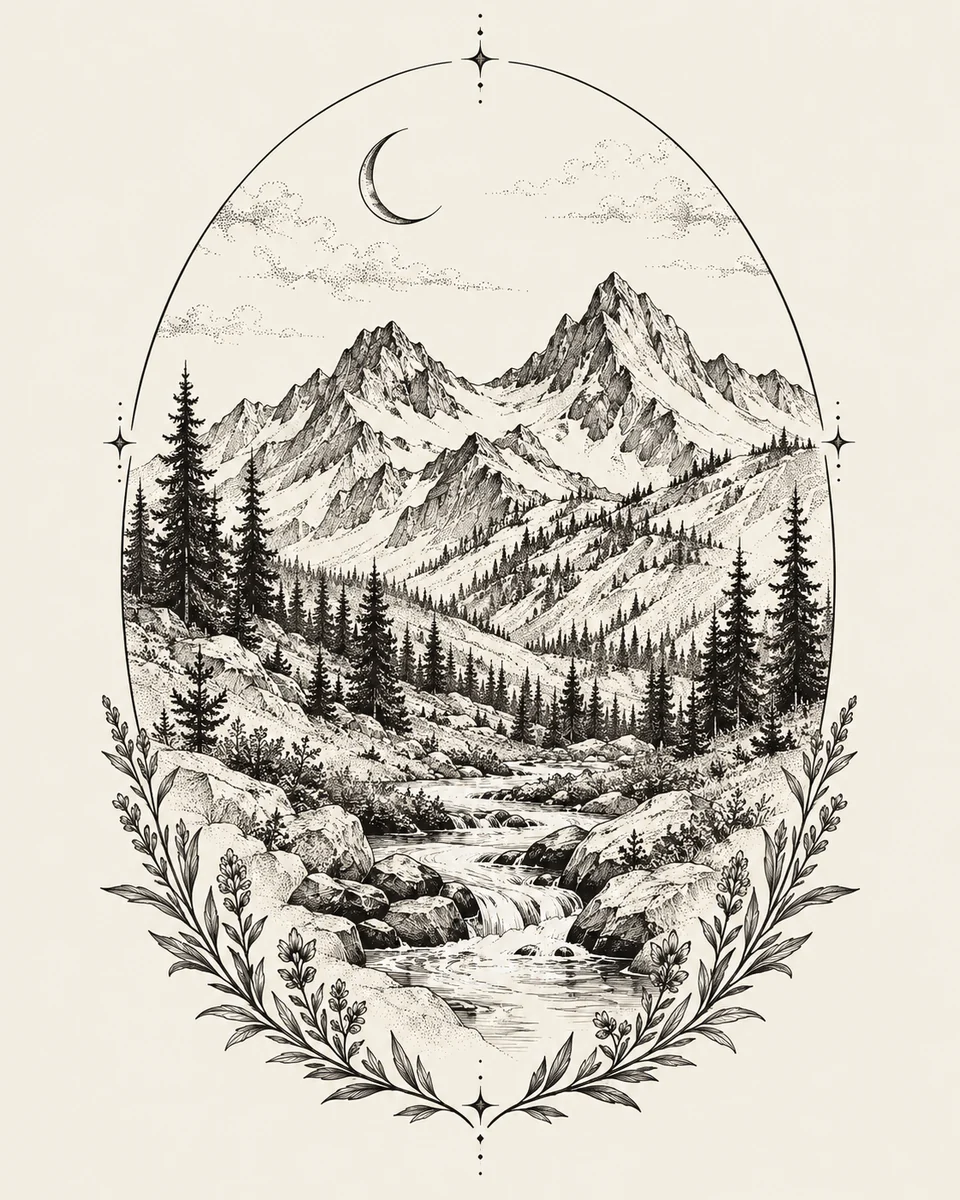
The Wasatch study
A ridgeline, a quiet stream, and a little room to breathe.
Explore the directionRavens, moths, crooked branches, and quiet moons offer a different way to draw from Utah’s landscapes. Start with a strong focal subject and build around it.
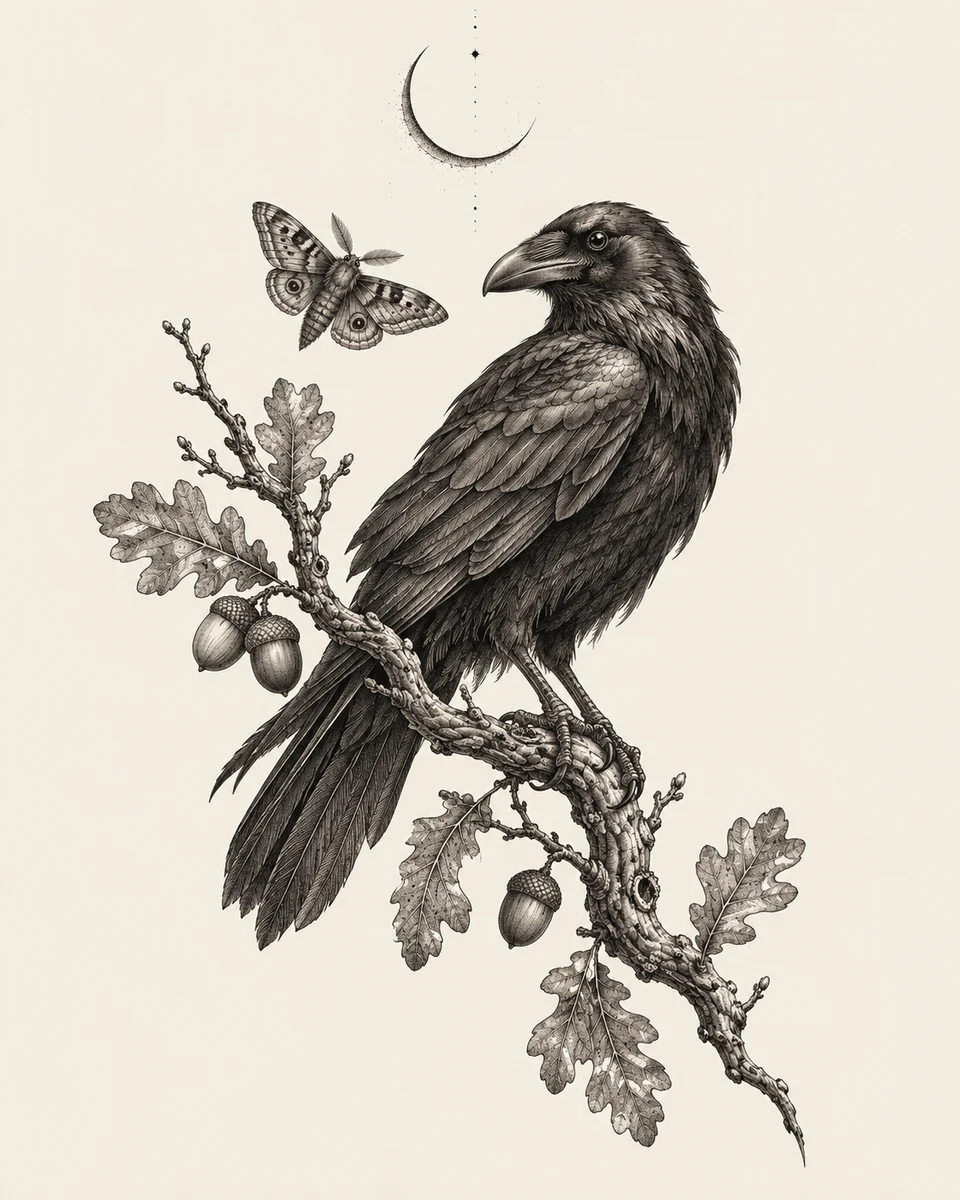
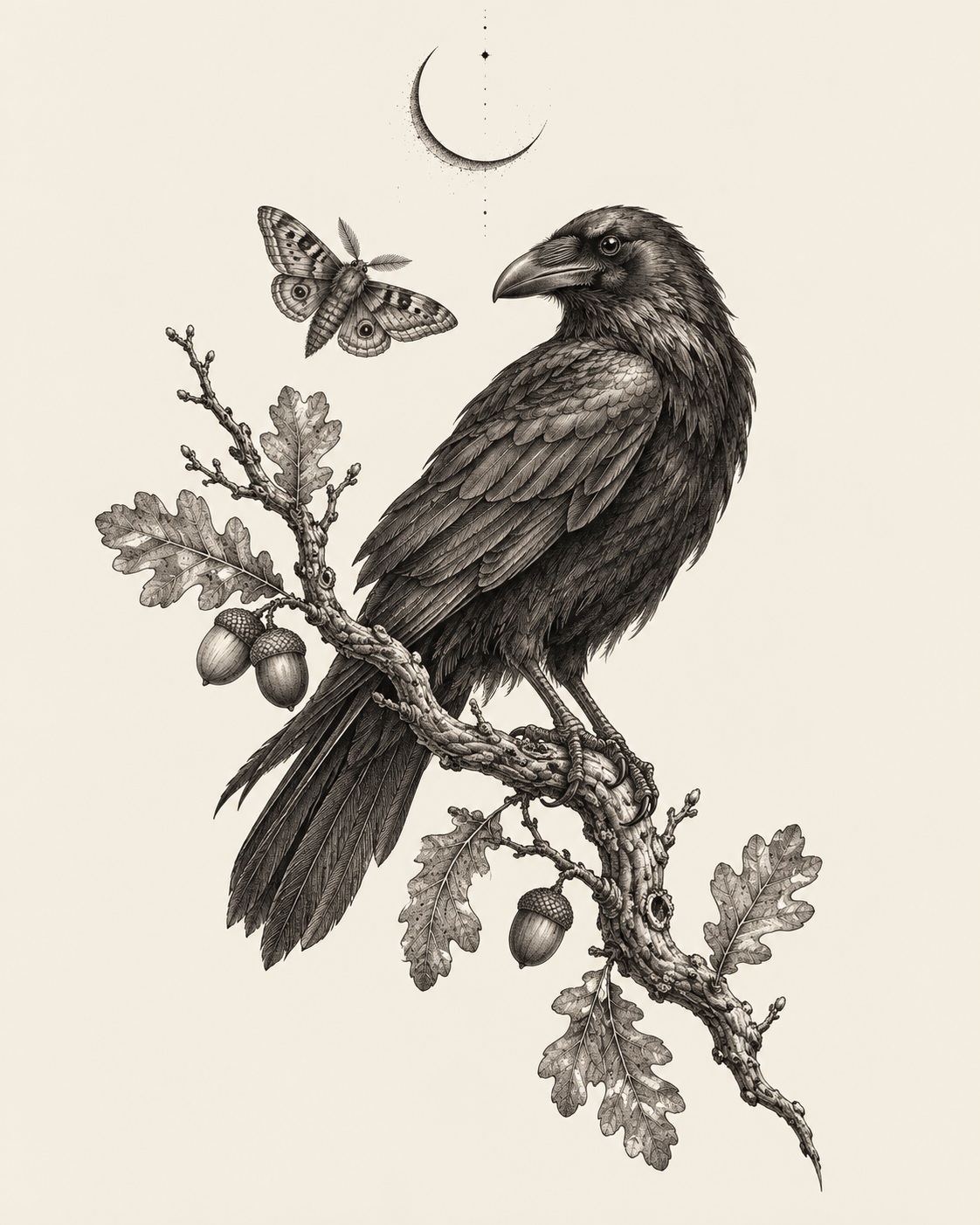
Let a raven or a moth carry the composition. Supporting details can add atmosphere, but they should have a clear role. In the raven study, the bird is the main subject; the branch, moth, and crescent support that silhouette.
A raven needs room for its head, wing, feet, and tail to form a coherent shape. A moth needs clear separation around the wings. Feather patterns and fine surface detail can be decided after your artist has established the main anatomy and pose.
Branches should feel as though they can support the perched bird. Leaves and acorns can follow the branch naturally instead of floating between unrelated shapes. Bring references for the animal, branch, and any botanical details that matter to you.
A spare blackwork direction can emphasize dark masses and open space. An antique illustrative direction can use more line texture. You can lean botanical, nocturnal, or softly gothic without adding every possible ornament.
Use the concept to describe a mood and arrangement. Your tattoo artist will develop an individual design, check the anatomy, and adapt the detail for the placement.
Compare actual artist portfolios for your dark illustrative or blackwork direction.
Build a brief around this direction, then send your placement, approximate dimensions, and references to the studio. Your artist will confirm the design, price, and appointment options.
Utah Tattoo Atlas / Published October 14, 2026AI concept artA ridgeline, a quiet stream, and a little room to breathe.
Explore the direction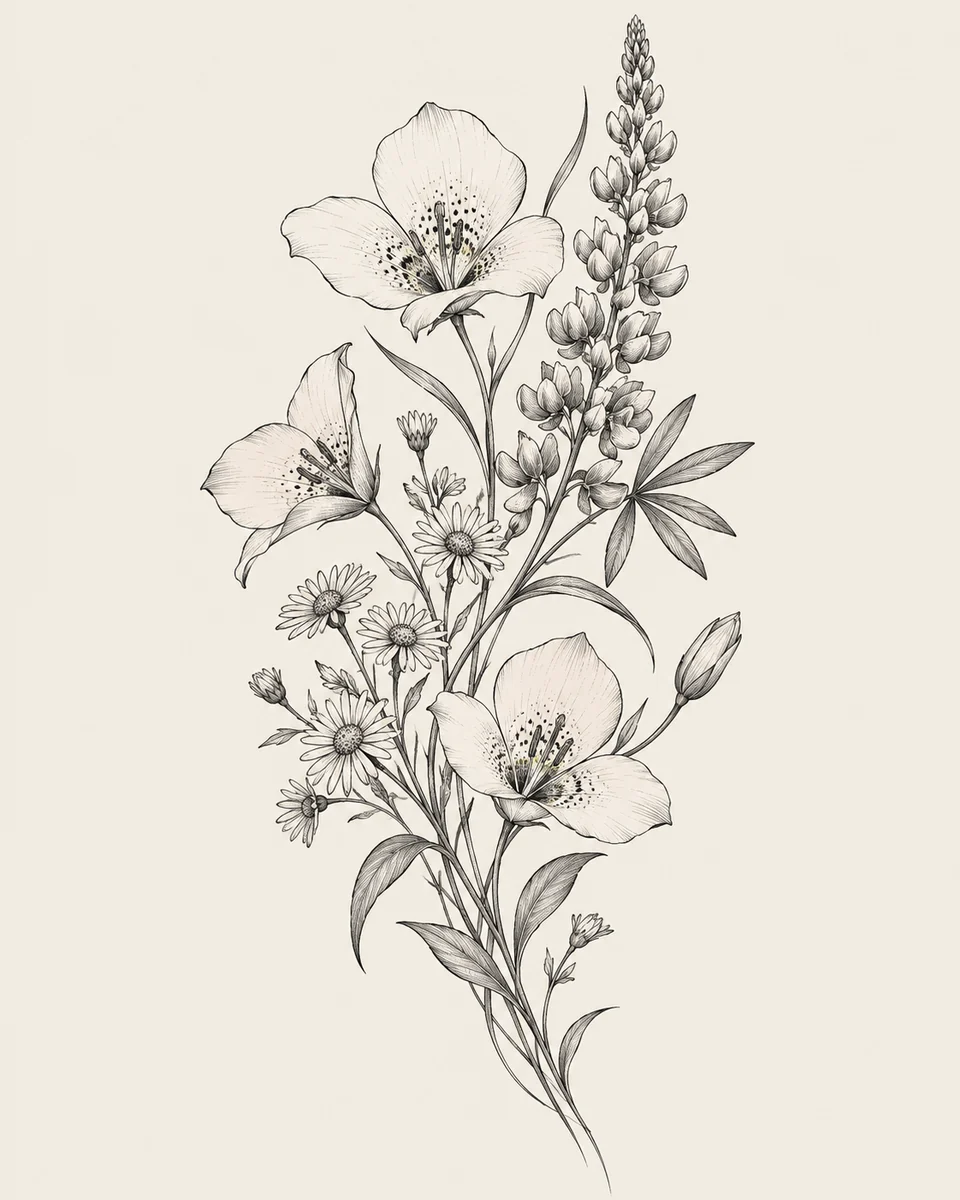 AI concept art
Airy blooms and curved stems with an antique botanical feel.
Explore the direction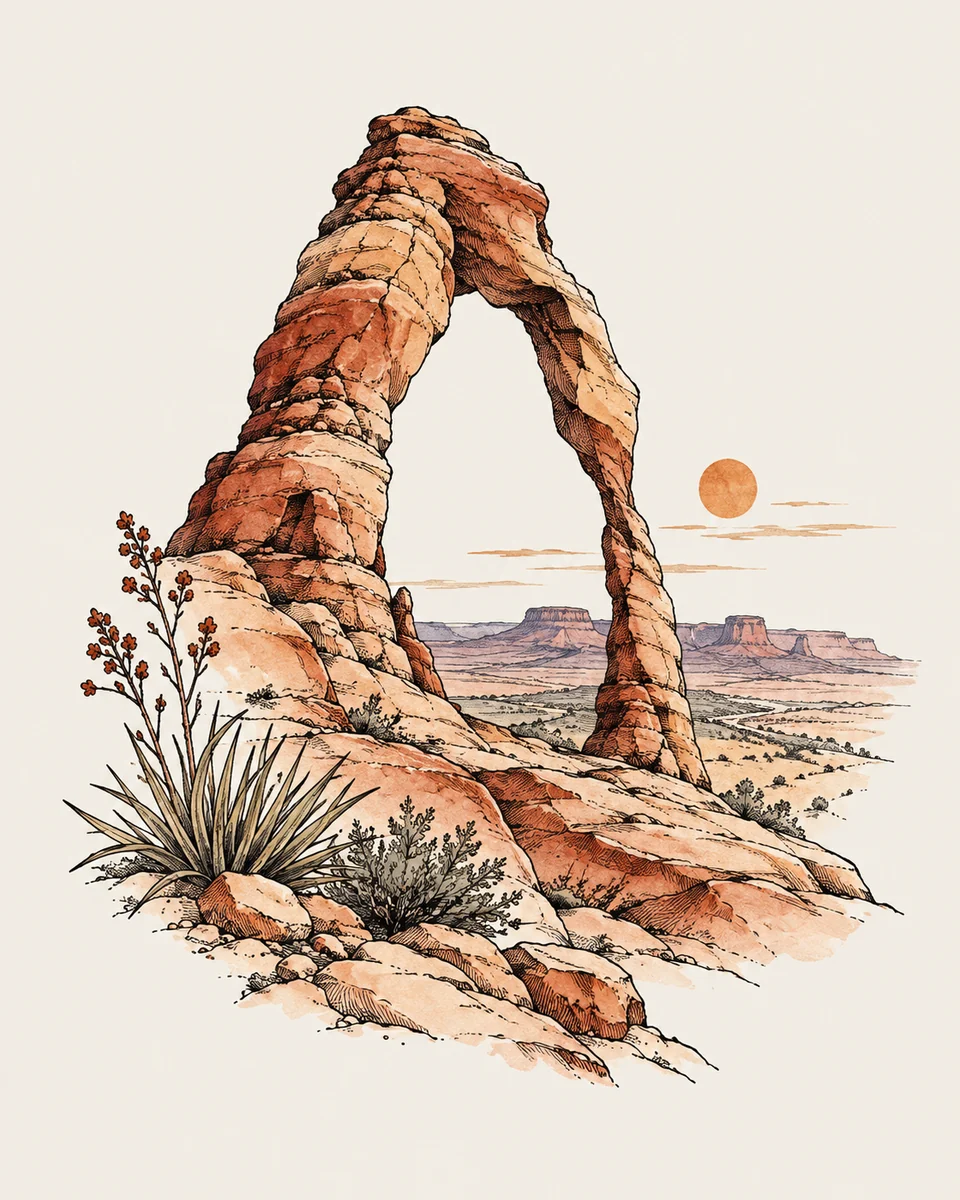 AI concept art
Sandstone shapes, a low horizon, and a touch of desert color.
Explore the direction